

Fixing enables building operators or service technicians to determine and deal with issues without delay, making sure the system's ongoing reliability. Select Specilialised Video Solutions (SVS) Fire Systems and Ziton for assurance and detailed fire protection. Our Accessibility Control Solution, including Honeywell and HID remedies, aid you manage who enters your properties, boosting total security. Our professional team concentrates on the installment of Smoke alarm Equipment and Integrated Safety And Security Equipments throughout South Africa. We guarantee that your system is mounted correctly, customized to your particular needs, and compliant with all guidelines.
In the adhering to areas, we'll offer suggestions on choosing the best panel and talk about the value of routine examination, cleansing, and maintenance. Addressable panels also give more thorough details regarding the system's status and can also determine when a particular gadget is malfunctioning. This makes them optimal for larger centers where exact discovery and system monitoring are vital.
Fire Alarm System Panel
This crucial system is pivotal in guarding lives and reducing building damage when faced with fire-related threats. As an example, advanced addressable panels are extra costly than traditional ones. It's since they have more attributes and can check bigger buildings much better. This suggests the detector has discovered something-- typically smoke or severe warmth-- and has actually set off the alarm. As an example, you need to leave the building and adhere to the RACE acronym when possible when this takes place. In other words, an alarm alert methods you should adhere to emergency treatments and secure everyone's safety and security.
At IP Products, we provide a vast array of industrial and industrial supplies to fulfill your center needs. Visit our shop today to surf our comprehensive supply of high quality products. Contact Martin Solution, Wisconsin's # 1 fire protection company, for a brand-new fire protection system and servicing existing fire alarm systems. The AVENAR fire panel collection is entirely backwards compatibility with formerly set up Bosch systems. The completely modular system makes it easily expanding and company efficient for customized fire discovery, with substantial expense decreases.
Review of Emergency Alarm System Panels
Emergency alarm system panels are vital components of contemporary fire safety infrastructure, designed to discover and react to fire cases promptly. These panels work as the central hub for monitoring alarm system signals from numerous devices such as smoke detectors, heat sensing units, and manual pull stations. By offering real-time information and helping with communication between different system components, emergency alarm panels play an essential function in making certain the safety of residents and home. Their sophisticated attributes and abilities allow efficient emergency situation response, making them crucial to both property and business fire security systems.
Meaning and Function
Smoke alarm system panels are essential parts of fire safety and security and monitoring in both household and business settings. They function as the central hub for monitoring and managing the entire fire alarm system, ensuring quick response throughout emergency situations. The primary function of these panels is to spot potential fire hazards, alert owners, and assist in a worked with response from emergency situation services.
- Discovery: Monitor smoke, heat, and other indications of fire with various sensing units.
- Notice: Trigger alarms and alert occupants of the presence of smoke or fire.
- Control: Take care of the procedure of various other system parts like alarm systems, notifications, and reductions systems.
- Communication: User interface with local emergency services and give necessary information during occurrences.
- Monitoring: Continuously check the health and performance of the fire alarm system to ensure integrity.
Relevance in Fire Safety
Fire alarm system panels are critical components in modern-day fire security monitoring, functioning as the central center for surveillance and regulating the entire fire detection system. These panels are designed to receive signals from numerous fire detectors-- such as smoke alarm, heat detectors, and hand-operated pull stations-- and refine these signals to identify if there is a fire problem.
The significance of smoke alarm system panels can not be overstated, as they play a crucial function in securing lives and residential or commercial property. When a fire is discovered, the panel turns on alarm systems to alert residents of the threat, enabling timely discharge and reaction. In addition, numerous advanced smoke alarm panels can interact with emergency services automatically, guaranteeing that aid is dispatched as quickly as feasible.
In addition, smoke alarm system panels offer vital attributes such as monitoring, diagnostics, and system standing updates, which are crucial for maintenance and examinations. Regular testing and upkeep of these panels assist guarantee their reliability and effectiveness, therefore improving overall fire security within a facility.
In summary, fire alarm system panels are essential in maintaining a safe setting by helping with very early detection, notifying occupants, and coordinating emergency responses. Their role in fire safety systems is essential for decreasing the danger of injury, loss of life, and property damage during fire emergency situations.
Types of Smoke Alarm System Panels
Emergency alarm system panels are crucial components of fire safety administration, providing a centralized interface for tracking and controlling emergency alarm systems. They can be found in different kinds, each designed to satisfy particular needs and applications, ranging from straightforward domestic setups to complicated commercial installments. Comprehending the various sorts of fire alarm system panels is crucial for making certain effective fire detection, notice, and overall security in any type of setting.
Traditional Fire Alarm Panels
Emergency alarm system panels are necessary elements of modern-day safety and security methods in both household and business buildings. They function as the control center for detecting and reacting to fire emergency situations, guaranteeing punctual activity can be required to secure lives and building. Among the different types of smoke alarm panels, standard emergency alarm panels are extensively utilized because of their simplicity and dependability.
Conventional smoke alarm panels operate a zone-based system. In this setup, the structure is divided into a number of zones, each having multiple discovery devices such as smoke alarm, warm detectors, and hands-on pull stations. When a fire is detected in a certain area, the panel shows the zone where the alarm system has been set off, permitting a targeted action. This attribute is especially helpful in larger buildings, where it can assist -responders rapidly determine the place of a potential risk.
One of the primary advantages of traditional emergency alarm panels is their cost-effectiveness. They are usually less expensive to install and preserve compared to advanced systems like addressable panels. In addition, their straightforward style makes them ideal for smaller sized structures or areas where comprehensive integration with various other systems is not essential.
However, conventional emergency alarm panels have limitations, specifically in regards to scalability and flexibility. Because the system is based upon zones as opposed to specific detection points, it can be testing to determine the exact area of a fire without a thorough understanding of which tools are in each zone. This can potentially postpone action times in an emergency circumstance.
In recap, conventional smoke alarm panels supply a dependable and cost-effective solution for fire discovery needs, specifically in setups where simplicity is focused on. Understanding the qualities and functionalities of such systems is essential for any person involved in fire safety and security and structure administration.
Addressable Smoke Alarm Panels
Smoke alarm system panels are critical elements of a fire discovery and security system, serving as the command center for surveillance and controlling the system's operation. They can generally be categorized right into two major kinds: standard and addressable smoke alarm panels.
Addressable fire alarm panels provide improved features and flexibility compared to standard systems. In an addressable system, each tool, such as smoke alarm and pull terminals, is assigned an unique address. This allows the panel to exactly identify the area of a turned on device, dramatically lowering response time. With the capability to identify the exact source of an alert, firefighters can quickly evaluate the circumstance and take required activity, which is specifically advantageous in huge or complex buildings.
Moreover, addressable panels offer sophisticated capability, such as the capability to program certain feedbacks based on the type of activation. As an example, a warmth detector might motivate a various feedback than a smoke alarm activation. This flexibility makes addressable smoke alarm panels appropriate for a vast array of applications, from small offices to huge commercial facilities.
Along with their exact identification attributes, addressable fire alarm panels can additionally incorporate with various other building systems, such as cooling and heating and protection systems. This integration can boost overall security and functional effectiveness, enabling collaborated feedbacks to emergencies. As technology remains to advance, addressable fire alarm systems are progressively coming to be the typical selection for contemporary fire security solutions.
Crossbreed Emergency Alarm Panels
Smoke alarm system panels serve as the central center for monitoring and controlling fire detection systems within a structure. These panels function to obtain signals from emergency alarm devices, such as smoke alarm, heat detectors, and manual pull terminals, and ultimately activate alarms and alerts for discharge. There are numerous kinds of emergency alarm system panels, each created to meet specific requirements and needs of different environments.
Standard emergency alarm panels are just one of one of the most typical kinds. They classify gadgets into zones, enabling the emergency alarm system to identify the basic location where the alarm system is turned on. This sort of system is usually ideal for smaller sized facilities where the specific area of the fire is not as essential.
Addressable smoke alarm panels provide an extra advanced service. Each gadget on the system has a special address, enabling the panel to determine the precise location of the alarm system activation. This attribute aids in quicker action times and more precise identification of emergency situations, making it suitable for larger buildings with intricate designs.
Crossbreed emergency alarm panels integrate the attributes of both traditional and addressable systems. They enable the integration of both kinds of devices, supplying adaptability in installment and system upgrades. Hybrid panels are specifically valuable for retrofitting existing structures that may currently have actually traditional devices installed while still fitting more recent addressable innovations.
For settings needing advanced precaution, networked emergency alarm panels can attach numerous panels across different places. This interconnected system allows for centralized monitoring and administration, enhancing communication throughout emergency situations and enabling quicker feedback actions throughout a bigger geographical location.
In recap, understanding the various sorts of emergency alarm system panels, including hybrid options, is necessary for guaranteeing detailed fire security. Each kind serves special functions and advantages, making it critical to choose the appropriate system based upon the certain demands of any type of structure or center.
Parts of Emergency Alarm System Panels
Smoke alarm system panels are the central parts in charge of monitoring and managing the various components of a fire alarm system. These panels obtain signals from smoke alarm, warmth detectors, and manual pull terminals, processing this info to identify the visibility of a fire. With attributes such as alarm notices, interaction user interfaces, and system diagnostics, fire alarm system panels play a vital function in ensuring a fast and effective action to emergencies, ultimately guarding lives and residential or commercial property.
Key Control Device
A fire alarm system panel is an important element of a fire safety system, responsible for monitoring and controlling the various components that discover and reply to fire threats. This main control unit collaborates signals from fire detectors, manual pull stations, and other system devices, guaranteeing a prompt alert to passengers and emergency solutions when needed.
The primary control system usually comprises a number of vital parts. One of the main components is the processor that analyzes signals from detection tools. This processor reviews the inputs to figure out if they stand for a fire problem, making sure precise and trusted procedure.
Another substantial component is the interface, which often consists of a keypad and display screen. This user interface permits drivers to take care of the system, view conditions, and recognize or silence alarms as essential. Clear indications reveal the type and location of alarm systems, assisting emergency situation feedback actions.
Additionally, the control board links to numerous discovery gadgets, such as smoke alarm, warmth detectors, and hands-on pull terminals. Each gadget communicates with the control panel to report its standing, and the panel should constantly keep an eye on these inputs to make certain speedy detection of any type of fire situations.
Power supply is also a crucial element of the main control system. It generally includes a mains supply and a backup power source, such as batteries, making sure the system stays operational throughout power outages. This redundancy is crucial for keeping safety and integrity in emergencies.
Lastly, the fire alarm control board may be furnished with interaction modules that enable it to user interface with external systems, consisting of alarm notice devices like alarms or strobe lights, in addition to central monitoring solutions. This connectivity boosts the effectiveness of the emergency alarm system by guaranteeing that emergencies are without delay communicated to both passengers and initial -responders.
Power Supply
A smoke alarm system panel is a crucial component of any kind of fire discovery and alert system. It functions as the main center that refines signals from different discovery gadgets, ensuring timely notifies in situation of a fire. Recognizing its key parts, especially the power supply, is important for making sure reliability and performance.
The power supply of a fire alarm panel is essential for its procedure. It normally consists of a primary resource, typically connected to the structure's electrical system, and a back-up battery resource that makes certain continued function during power outages. This dual-power setup is vital for keeping the system's integrity in emergencies.
The primary power supply transforms incoming air conditioner voltage into an ideal DC voltage that powers the alarm system panel and its elements. It is designed to give a consistent voltage outcome to avoid changes that could influence the performance of the system. Furthermore, emergency alarm panels usually have functions that check the power supply for any type of failings or disruptions, signaling liable workers to any type of concerns that might jeopardize safety.
The back-up battery system is just as important, as it makes certain that the smoke alarm system stays operational when the main source of power is disrupted. These batteries are typically lead-acid or lithium-ion, giving sufficient power for an extensive duration, permitting the system to work until regular power is recovered or up until emergency situation services arrive. Normal screening and maintenance of these batteries is important to ensure they will activate when required.
On the whole, the power supply is an essential component of fire alarm system panels, making certain that the discovery and signaling systems work effortlessly in safeguarding lives and property throughout a fire emergency situation.
Alert Home appliances
An emergency alarm system panel is the central element of an emergency alarm system, responsible for checking inputs from various discovery gadgets and taking care of outcomes to alert devices. It functions as the mind of the whole system, making certain that in the event of a fire, appropriate notifies are triggered to notify occupants and emergency services.
One of the key parts of smoke alarm system panels is the control system, which refines signals from smoke alarm, warm detectors, and manual pull terminals. These inputs enable the panel to identify the visibility of a fire and trigger the required notifications. Control systems can be configured to set apart in between kinds of alarm systems, such as general emergency alarm or managerial alarm systems for various other problems.
Another critical aspect is the notification devices, that include gadgets like horns, strobes, and speakers. These gadgets are designed to alert structure residents of a prospective fire through audible and aesthetic signals. Notification appliances can be programmed for different strengths and patterns, making certain that alarm systems are heard and seen by every person in the vicinity, even in loud or jampacked setups.
Additionally, emergency alarm systems frequently include extra parts like interfaces for exterior communication, such as connecting to monitored emergency alarm main stations or systems that signal initial -responders. These assimilations improve the effectiveness of an emergency alarm system by guaranteeing fast action to emergencies.
In recap, the elements of fire alarm system panels and alert devices play an essential duty in making certain safety by giving prompt signals and facilitating efficient emergency reactions in the event of a fire.
Input Devices
A smoke alarm system panel acts as the central center for an emergency alarm system, in charge of getting inputs from various tools, refining those inputs, and triggering appropriate results to alert passengers and emergency situation solutions. It plays an important function in guaranteeing the security of people in a building by quickly identifying fire conditions and supplying prompt notices.
Input devices are essential parts of a fire alarm system, responsible for spotting smoke, warm, or flames, as well as keeping track of various other important problems. Typical input gadgets consist of smoke detectors, heat detectors, and hands-on pull terminals. Smoke alarm can utilize ionization or photoelectric technology to sense the existence of smoke fragments airborne. Heat detectors reply to adjustments in temperature level, making them reliable in locations where smoke detectors may create duds. Hand-operated pull stations allow passengers to initiate an alarm system in case of a fire, ensuring that informs can be elevated even if automated systems stop working to discover the risk.
These input devices work in combination with the fire alarm system panel to make sure detailed insurance coverage and fast reaction. They are purposefully positioned throughout a structure to optimize safety and performance, and they develop the first line of protection in fire detection and feedback situations.
How Emergency Alarm System Panels Job
Fire alarm system panels function as the main hub of a fire discovery and security system, guaranteeing the safety and security of owners and home. These panels obtain signals from different detectors and sensing units placed throughout a structure, which may consist of smoke alarm, warm sensing units, or hands-on pull stations. When a possible fire hazard is found, the panel processes the information and turns on alarms, informing owners and emergency solutions. Understanding how these panels run is critical for preserving fire safety and security requirements and reacting efficiently in emergencies.
Discovery of Smoke and Heat
A fire alarm system panel acts as the central hub for surveillance and handling all elements of a fire security system. Its primary feature is to get signals from detectors, assess the circumstance, and initiate signals to make certain safety and security and prompt action during a. fire emergency. The panel is equipped with numerous inputs and outcomes that enable it to connect effectively with various other aspects in the system.
Fire alarm system panels work by incorporating different sorts of detection innovations that notice the existence of smoke and heat. Here's how they work:
- Smoke Discovery: The system utilizes smoke detectors which can be either ionization or photoelectric types. Ionization detectors are sensitive to fast-flaming fires, while photoelectric detectors react much better to smoldering fires. When smoke particles enter the detector, they disrupt a beam or ionize the air, causing an alarm system.
- Heat Discovery: Heat detectors monitor changes in temperature. There are 2 primary types: taken care of temperature and rate-of-rise detectors. Dealt with temperature detectors activate an alarm system when a certain temperature is gotten to, while rate-of-rise detectors trigger when there is a fast boost in temperature.
- Signal Handling: Once a detector detects smoke or warmth, it sends out a signal to the emergency alarm panel. The panel refines this info, reviews the sort of alarm system, and identifies whether to turn on the security system.
- Alarm Activation: If smoke or heat is found, the panel sends out a signal to trigger alarms throughout the building, alerting owners to leave. It may additionally notify emergency solutions automatically.
- Surveillance and Control: The panel continuously keeps track of detector conditions and can allow for system control, such as resetting alarm systems, performing examinations, and upkeep checks.
Understanding exactly how emergency alarm system panels work is vital for guaranteeing the security of buildings and their passengers. Normal upkeep and testing of these systems aid ensure they operate successfully when required.
Signal Handling
Fire alarm system panels act as the main hub for surveillance and controlling fire detection systems within a building. These panels receive signals from different fire detectors, such as smoke alarm, heat detectors, and manual pull stations. When a possible fire is found, the panel refines the incoming signals to assess the circumstance and establish whether to cause an alarm.
The process begins with the fire detectors noticing modifications in their environment. For instance, smoke detectors can identify smoke particles airborne, while warmth detectors react to fast temperature level increases. Once a detector senses a potential fire danger, it sends out an electrical signal to the fire alarm panel.
Upon getting the signal, the smoke alarm panel participates in signal processing. This entails translating the incoming data to set apart between false alarms and genuine fire risks. The panel employs formulas and predefined standards to evaluate the signal intensity and consistency gradually. If the readings surpass the established limits, the panel activates the alarm system.
The alarm typically consists of audible alarms, visual signs, and, in many cases, interaction with emergency feedback services. The panel may also initiate various other precaution, such as turning on ventilation systems or unlocking fire escape to make certain safe emptying.
In addition to real-time monitoring, emergency alarm panels keep a log of events, which is vital for fire safety management. This data can be important for follow-up investigations and system upkeep. Generally, the performance and integrity of emergency alarm system panels are vital in protecting lives and property from fire hazards.
Notifying Residents
A fire alarm system panel is an essential component of contemporary fire security, functioning as the central hub that checks and takes care of alerts from different discovery tools. These panels receive signals from smoke alarm, heat detectors, and hand-operated phone call points, determining the visibility of a fire or smoke within a building.
When a detector detects abnormal conditions, such as smoke or extreme heat, it sends out a signal to the panel. This signal is refined, and if validated as a potential fire hazard, the panel turns on alarm systems, alerting residents through audible alerts and visual indicators like strobe lights. Some advanced systems can likewise communicate with emergency situation solutions immediately, guaranteeing a prompt reaction.
Smoke alarm system panels can differ in complexity, from simple systems in tiny structures to innovative networks in big establishments. They often include user interfaces that permit tracking, screening, and troubleshooting, allowing security employees to evaluate system standing and performance successfully. Regular maintenance is important to guarantee these panels run optimally, guarding lives and building from the risks of fire.
In addition to audible signals, modern smoke alarm panels can incorporate with various other building monitoring systems, providing thorough safety services. They may incorporate functions like zone control, permitting responders to pinpoint the exact location of a fire, which assists in effective evacuations and firefighting efforts.
On the whole, fire alarm system panels play an essential duty in enhancing safety and security, acting as the brain of the alarm system, and guaranteeing that prompt alerts reach residents in instance of fire emergency situations.
Installation and Upkeep Considerations
When taking into consideration the installment and upkeep of an emergency alarm system panel, a number of essential variables come into play to make sure optimum performance and reliability. Appropriate installation entails sticking to constructing codes and standards, choosing suitable locations for gadgets, and making sure compatibility with existing infrastructure. Furthermore, regular upkeep is vital to make sure the system stays practical and can properly react in situation of an emergency. Comprehending these considerations is vital for guarding lives and building from fire risks.
Site Analysis and Preparation
When setting up a smoke alarm system panel, careful planning and complete site assessment are essential to make sure optimum performance and dependability. A comprehensive analysis of the structure design, tenancy kind, and prospective fire risks should be performed prior to setup. This consists of determining key locations such as departures, risky areas, and gain access to points for emergency situation responders.
The setup process ought to consider the positioning of the emergency alarm panel, ensuring it is conveniently available for upkeep and procedure. It is important to adhere to neighborhood codes and guidelines, along with manufacturer suggestions, to make sure system conformity and performance. Correct wiring and element choice are additionally crucial to lessen false alarms and boost system responsiveness.
Upkeep factors to consider must consist of normal testing and examination routines to maintain the system operating properly. This not only helps in recognizing any type of breakdowns yet also makes sure that the system continues to be certified with safety requirements. Documents of all maintenance task will certainly assist in liability and assist in future evaluations.
Finally, personnel training is vital to guarantee that team recognize with the smoke alarm system's operation and protocols. An ongoing education program can substantially boost the responsiveness and preparedness of owners in the event of an emergency.
Setup Treatments
When setting up a smoke alarm system panel, mindful factor to consider of installment and maintenance procedures is necessary to make certain optimal performance and integrity. The combination of an emergency alarm panel right into a structure's security system have to follow neighborhood codes and standards, which dictate the placement, wiring, and capability of the panel. Safety procedures must be focused on to secure both building and lives.
The installation process starts with a comprehensive assessment of the website. Recognize the most effective place for the fire alarm panel, preferably near a major entrance for easy gain access to by emergency situation -responders. Ensure that the area is free from obstructions and has stable environmental problems. Proper mounting of the panel is crucial, as it has to be firmly fastened and easily accessible for operation and upkeep.
Adhering to the website assessment, the following action is to set up the required circuitry and links. This includes running circuits from the panel to all the discovery gadgets, such as smoke alarm, warmth sensors, and draw stations. Make use of the ideal gauge of wire to guarantee signal honesty and lessen interference. It is essential to follow the supplier's standards for cord connections to maintain compliance and performance.
As soon as the electrical wiring is total, program the panel according to the certain demands of the structure. This consists of configuring sensitivity degrees, establishing zones, and establishing interaction procedures with remote monitoring systems. Conduct thorough testing of the panel and linked devices after setup to verify that all parts operate correctly and efficiently.
Upkeep of the emergency alarm system panel is just as crucial as the setup procedure. Set up regular examinations and testing to ensure that all components are operational. This includes checking battery back-ups, cleansing detectors, and validating that emergency situation interaction web links are intact. Record all maintenance tasks to track efficiency in time and identify any prospective concerns early.
Training for crucial employees on the procedure of the emergency alarm panel is likewise essential. Personnel ought to be familiar with the system's features, emergency situation treatments, and how to respond to alarm activation. Keeping a clear line of communication with alarm provider can help in promptly resolving any type of fixings or upgrades needed, making sure the emergency alarm system continues to be effective and certified with safety laws.
Routine Upkeep and Testing
When it comes to making sure the security and performance of a fire alarm system panel, appropriate installment and maintenance are important. The installation stage needs careful preparation to ensure that the panel is placed in a location that allows for ideal availability and efficiency. In addition, it is essential to adhere to local fire and building regulations, which control the setup procedures. Proper paperwork of the installment process, consisting of system configurations and screening outcomes, will certainly aid in future troubleshooting and upkeep.
Routine maintenance is essential to the longevity and dependability of fire alarm systems. Arranged evaluations must be done a minimum of twice a year to check for any type of mistakes, wear, or damage to the components. This consists of checking the panel's functionality, inspecting wiring links, and making sure that all sensors, alarm systems, and detectors are functional. Having an upkeep log assists track maintenances, making it less complicated to recognize recurring issues or patterns that may require more interest.
Testing is a crucial component of maintaining a fire alarm system panel. Regular examinations, such as hand-operated pull terminal tests, smoke alarm level of sensitivity examinations, and system activation examinations, ought to be carried out to verify the system's action under numerous conditions. These examinations assist make certain that all components are working harmoniously and can effectively detect and respond to fire incidents. Paperwork of each test is important, as it supplies a comprehensive history of the system's condition and compliance with legal requirements.
In summary, regular installment, upkeep, and screening of smoke alarm system panels are important practices that boost overall safety and security and lessen false alarms. By complying with these standards, companies can make sure that their emergency alarm systems run efficiently, inevitably shielding building and lives from fire dangers.
Regulations and Standards
Rules and criteria play an essential role in the design and application of fire alarm system panels, ensuring safety and security and compliance in different atmospheres. These standards are established by national and global organizations to protect lives and residential property from the terrible impacts of fire. By adhering to these guidelines, manufacturers and installers can give trustworthy systems that fulfill the required efficiency standards, eventually contributing to reliable fire avoidance and feedback approaches.
National Fire Defense Organization (NFPA) Standards
Emergency alarm system panels are essential elements in any fire detection and alarm system. They serve as the main center for tracking and managing numerous system features, making certain that emergency responses are triggered without delay and effectively. Adherence to established laws and criteria is essential for the layout, setup, and maintenance of these systems, guaranteeing safety and compliance.
The National Fire Security Organization (NFPA) supplies extensive standards through standards such as NFPA 72, the National Fire Alarm and Signaling Code. This code outlines the minimal design, installation, and maintenance requirements for emergency alarm systems to make sure sufficient performance and safety and security. Key elements consist of the installation of emergency alarm control board, notice devices, and the combination of other systems to facilitate coordinated feedbacks to terminate emergencies.
NFPA standards emphasize the importance of making use of certified equipment that satisfies industry criteria to enhance integrity. Normal testing and maintenance of the smoke alarm system panels are mandated to validate operational performance and compliance with neighborhood fire codes. These procedures aid in lessening duds, ensuring that the system is totally functional when needed, and ultimately guarding lives and residential property.
By adhering to NFPA standards, building owners and facility supervisors can efficiently manage fire dangers, promote safety laws, and promote a society of readiness within their settings. This aggressive approach not only safeguards passengers yet additionally adds to area security and resilience when faced with fire emergency situations.
Regional and State Rules
The execution and upkeep of fire alarm system panels are regulated by a range of guidelines and standards at both the regional and state degrees. These guidelines are designed to make sure the security and dependability of fire detection systems in structures, securing lives and building from fire dangers. Compliance with these guidelines is important for enhancing fire safety and helping with a timely reaction in emergencies.
At the neighborhood degree, fire divisions often establish particular codes that dictate the installment, upkeep, and capability of emergency alarm systems. These codes might differ from one district to one more and typically reflect standards developed by national criteria such as the National Fire Protection Organization (NFPA) codes. For example, NFPA 72 supplies a thorough structure for the installment, performance, and maintenance of smoke alarm systems, guaranteeing that they meet consistent top quality and efficiency demands.
State guidelines may even more build on neighborhood codes, developing minimum demands for smoke alarm systems within public and private buildings. These guidelines can consist of stipulations relating to the types of systems permitted, the essential certifications for installers, and the periodic evaluation routines that need to be complied with. Failure to comply with these regulations can cause legal responsibilities and raised threats throughout fire emergency situations, stressing the relevance of staying notified regarding local and state laws.
Additionally, building codes frequently intersect with smoke alarm laws, mandating specific setups based upon building occupancy, elevation, and use. Engineers and home builders must function very closely with fire safety and security experts to guarantee that all aspects of emergency alarm systems meet appropriate codes throughout the design and building and construction phases. Eventually, understanding and adhering to neighborhood and state guidelines is vital for making certain effective fire security systems in any type of facility.
Common Problems and Fixing
Fire alarm system panels are important components in ensuring security and preventing fire-related disasters in numerous environments. Regardless of their significance, individuals often experience typical issues that can impact the performance and integrity of these systems. Comprehending these prospective problems, in addition to effective troubleshooting techniques, is vital for maintaining optimal performance and ensuring prompt emergency response in case of a fire. This short article checks out frequent challenges encountered by emergency alarm system panels and uses functional services to address them.
False Alarms
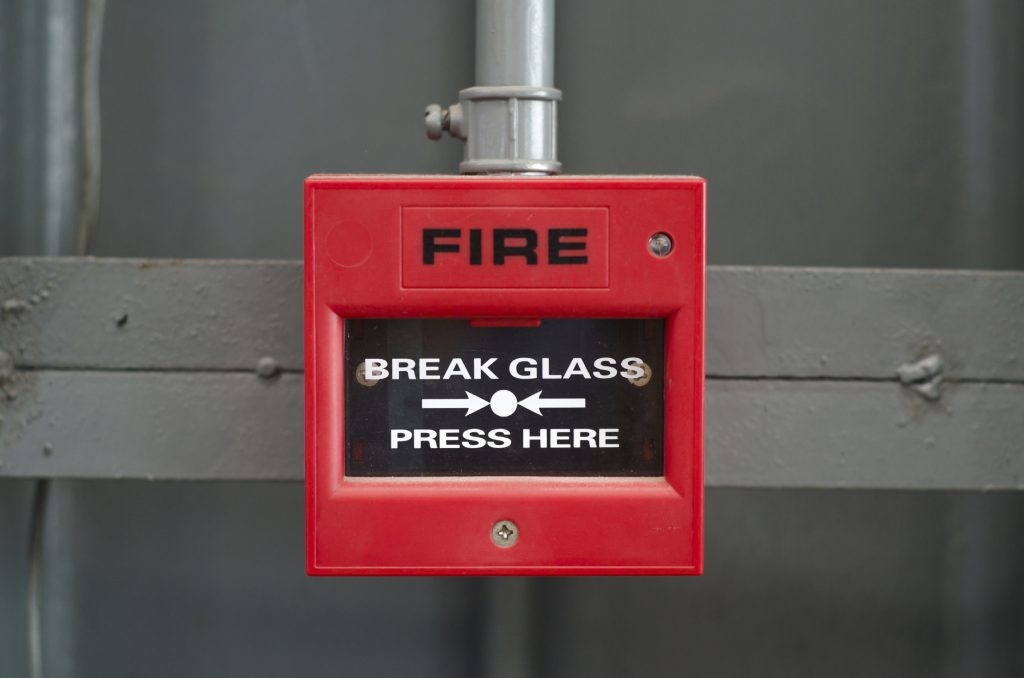
Smoke alarm system panels are essential parts of structure safety, made to detect and sharp occupants to the presence of smoke or fire. However, individuals commonly run into usual concerns that can bring about duds, undermining the reliability of the system and possibly desensitizing residents to genuine hazards.
One constant cause of false alarms is environmental variables, such as vapor, dirt, or bugs that can trigger smoke detectors. High moisture or food preparation vapors may also perplex the sensing units. Routine cleaning and maintenance of detectors can assist alleviate this problem.
An additional usual issue occurs from inappropriate installation or arrangement. If sensing units are placed also close to HVAC vents, they might get incorrect analyses. Following the producer's guidelines for installation can reduce such concerns and guarantee optimal efficiency.
Electric issues, consisting of power rises or basing faults, can likewise create duds. Routine inspection of wiring and circuit links is crucial for recognizing and dealing with such troubles quickly.
Lastly, outdated tools may be a lot more prone to malfunctions. It is important to routinely inspect the age and condition of the emergency alarm system and change any obsolete components to maintain integrity and prevent unwanted alerts.
By dealing with these usual concerns, center supervisors can improve the performance of smoke alarm systems and make certain the safety of all constructing owners.
Communication Failures
Fire alarm system panels are vital parts in ensuring the safety of structures and their residents. However, like any kind of technological system, they can encounter problems that may bring about communication failings. These failures can prevent the performance of the smoke alarm system and possibly jeopardize safety and security. Understanding common concerns and repairing methods is essential for maintaining operational stability.
One usual concern is the loss of interaction in between the fire alarm panel and its linked tools, such as detectors and notice home appliances. This can take place because of electrical wiring issues, loose connections, or harmed wires. To troubleshoot, very first evaluate all wiring for indicators of wear or interference. Ensure that all terminals are safely attached and that the wires are intact.
Another constant trouble is false alarms, which can be brought on by environmental elements, such as dirt buildup or humidity. Routine cleaning and maintenance of detectors and sensing units are critical in stopping these failures. Additionally, make sure that the positioning of tools is appropriate and adapts manufacturer specs.
Software program problems can likewise bring about interaction failures, especially in modern panels with electronic interfaces. Ensure that the smoke alarm panel's firmware is up-to-date and seek advice from the maker's standards for resetting or repairing software-related concerns. If essential, a manufacturing facility reset may be required, yet this should be done meticulously to prevent losing crucial setups.
Power supply concerns can impede the feature of emergency alarm panels. Guaranteeing that the panel has a dependable source of power and testing backup batteries can stop breakdowns during an emergency situation. Conduct normal checks to validate that the power supply is stable which any battery backup systems are working correctly.
Finally, human mistake can substantially impact the efficiency of fire alarm systems. Normal training and drills for workers on the appropriate usage and maintenance of these systems are vital. Developing clear communication protocols pertaining to system notifies and operational treatments can alleviate the dangers related to misunderstandings or errors.
By understanding these typical issues and executing positive fixing actions, the dependability of fire alarm system panels can be considerably enhanced, guaranteeing they execute effectively when required a lot of.
Part Malfunctions
Smoke alarm system panels are important for the safety of any type of building, finding and informing owners to potential fire hazards. Nevertheless, these systems can experience common concerns that may influence their performance. Understanding these issues and their solutions is important for preserving the efficiency of fire precaution.
Below are some common problems and troubleshooting actions for part breakdowns in emergency alarm system panels:
- Power Supply Issues: Make sure that the emergency alarm panel is obtaining sufficient power. Examine the major source of power and battery backup.
- Faulty Sensors: Test smoke and heat detectors regularly to make certain they are working properly, replacing any type of that are damaged.
- Wiring Issues: Inspect wiring links for damages, deterioration, or loosened terminals that can interfere with interaction between components.
- Mistake Codes: Familiarize yourself with the panel's mistake codes and problems, as they can indicate specific breakdowns or issues within the system.
- Quantity Levels: Ensure that the alert signals are distinct throughout the premises, readjusting volume levels if essential.
- End-of-Life Parts: Change detectors and other elements that have reached their end-of-life expectations to maintain compliance and performance.
Normal maintenance and timely troubleshooting of these issues can considerably enhance the integrity of emergency alarm systems, ensuring they execute ideally when required.
Future Patterns in Smoke Alarm System Modern Technology
As the landscape of fire security innovation continues to progress, smoke alarm system panels are set to undergo substantial developments that assure enhanced performance, reliability, and assimilation with clever structure systems. Future fads indicate a shift towards boosted connectivity, with panels created to connect flawlessly with IoT gadgets, enhancing real-time monitoring and feedback capacities. Additionally, improvements in expert system and machine learning will make it possible for these systems to much better distinguish between false alarms and authentic risks, eventually enhancing safety for both household and commercial atmospheres.
Integration with Smart Building Systems
The landscape of fire alarm system innovation is developing swiftly, driven by advancements in integration, automation, and connectivity. As buildings end up being smarter, emergency alarm panels are significantly being designed to function perfectly with smart structure systems. This trend not only enhances safety and security yet additionally enhances building administration effectiveness.
Among the most considerable trends is the combination of emergency alarm systems with Web of Points (IoT) innovation. IoT-enabled fire alarm panels can collect and send real-time information, making it possible for center managers to keep an eye on fire safety conditions remotely. This connection guarantees that informs and diagnostics can be interacted instantaneously, promoting quicker actions and potentially conserving lives and building.
Moreover, making use of expert system in fire alarm systems is set to reinvent fire discovery and prevention. AI formulas can evaluate patterns in environmental information to recognize potential fire risks prior to they escalate. By integrating these intelligent systems with structure management software program, operators can achieve a thorough review of safety and security metrics and make data-driven decisions to mitigate dangers.
An additional trend is the push towards improved interface and mobile ease of access. Modern fire alarm panels currently feature intuitive touchscreens and are usually accompanied by mobile applications, permitting individuals to manage setups, get notices, and react to alarm systems from smart phones. This level of ease of access improves system functionality and encourages proactive engagement with fire safety and security procedures.
Furthermore, cloud-based services are becoming more noticeable in fire alarm technology. These systems allow for central surveillance and management throughout numerous places, making it much easier for organizations with multiple websites to keep compliance and guarantee all facilities are geared up with the latest fire safety measures.
Integration with various other wise systems, such as HVAC and lights, gives an alternative strategy to building security. In case of an emergency alarm activation, these systems can instantly react by closing down the HVAC to avoid smoke spread or activating emergency situation illumination to assist occupants to security. This level of control boosts emergency reactions and total structure safety.
As regulative structures evolve and public need for safety and security boosts, the future of emergency alarm system panels promises to focus on not just conformity, yet additionally proactive life safety measures. Developments in innovation will remain to enhance exactly how fire security systems work, establishing brand-new standards for safety in modern-day facilities.
Improvements in Detection Innovation
The smoke alarm system panel is evolving quickly, with advancements that enhance safety and security, integrity, and assimilation abilities. As innovation advances, the future of fire alarm systems is most likely to integrate advanced detection technologies that enhance responsiveness and lower duds.
One substantial trend is the assimilation of smart innovation into fire alarm systems. These systems use artificial intelligence and machine learning formulas to assess information from several sensing units in real-time, permitting quicker recognition of prospective fire risks. This anticipating abilities can lead to preemptive actions, minimizing damage and enhancing overall safety and security.
An additional improvement is the growth of multi-sensor detectors that incorporate numerous sorts of discovery methods, such as smoke, warmth, and gas detection. These gadgets can offer even more exact readings by evaluating several criteria simultaneously, dramatically decreasing the possibility of false alarms while guaranteeing timely signals in authentic emergency situations.
Wireless technology is also getting traction, enabling easier setup and greater versatility in system design. By eliminating click here for considerable wiring, wireless emergency alarm systems can be released in a variety of setups without the interruption usually associated with traditional setups. Additionally, these systems can help with quicker updates and growths as building layouts change.
The continuous integration of Internet of Things (IoT) capacities permits fire alarm systems to connect with other structure monitoring systems. This interconnectedness enables automatic reactions, such as opening leaves and handling HVAC systems throughout a fire occasion. Furthermore, remote surveillance and alerts can ensure that structure supervisors are quickly informed concerning any kind of prospective concerns.
Lastly, advancements in user interfaces, such as mobile applications and cloud-based systems, deal improved control and surveillance abilities for individuals. Structure supervisors can conveniently access alerts and system standings from anywhere, facilitating better decision-making during emergencies.
These developing modern technologies stand for the future of fire alarm systems, guaranteeing enhanced security, operational performance, and smooth assimilation with other safety and security systems. As these patterns remain to create, the emergency alarm system panel will certainly come to be smarter, much more intuitive, and progressively crucial in shielding lives and residential or commercial property.
Wireless Smoke Alarm Systems
As fire security modern technology breakthroughs, future fads in emergency alarm systems are progressively focused on improving reliability, effectiveness, and integration. Wireless emergency alarm systems are at the center of this advancement, using several benefits over conventional wired systems. These developments not just streamline installment however likewise minimize prices and enhance system scalability.
One considerable trend is the integration of IoT (Net of Points) capabilities in wireless emergency alarm systems. By connecting devices to the internet, these systems can offer real-time tracking and notices, enabling building managers and emergency responders to act promptly in situation of a fire. This connection enables the collection and analysis of data, which can be used to boost safety procedures and minimize reaction times.
Another emerging pattern is the use of wise innovation in emergency alarm systems. Advanced formulas and machine learning can improve discovery capabilities, decreasing false alarms and making sure that the system responds properly to real risks. These systems can pick up from ecological data and adjust appropriately, offering a greater level of security.
Battery life and power effectiveness are likewise critical areas of development. Future cordless smoke alarm systems are anticipated to make use of advanced battery modern technology with the ability of using longer operational life and abilities for simple maintenance. Innovations such as energy harvesting strategies can power tools via ambient energy sources, making sure continuous operation also throughout power outages.
In addition, assimilation with structure administration systems is ending up being increasingly usual. This comprehensive method permits emergency alarm systems to work in tandem with various other safety and security and facility management solutions, allowing all natural structure security and structured operations.
Eventually, the future of fire alarm systems, particularly cordless technologies, hinges on improved connectivity, automated discovery, and boosted individual experience, cultivating smarter structures equipped to deal with fire safety proactively and efficiently.